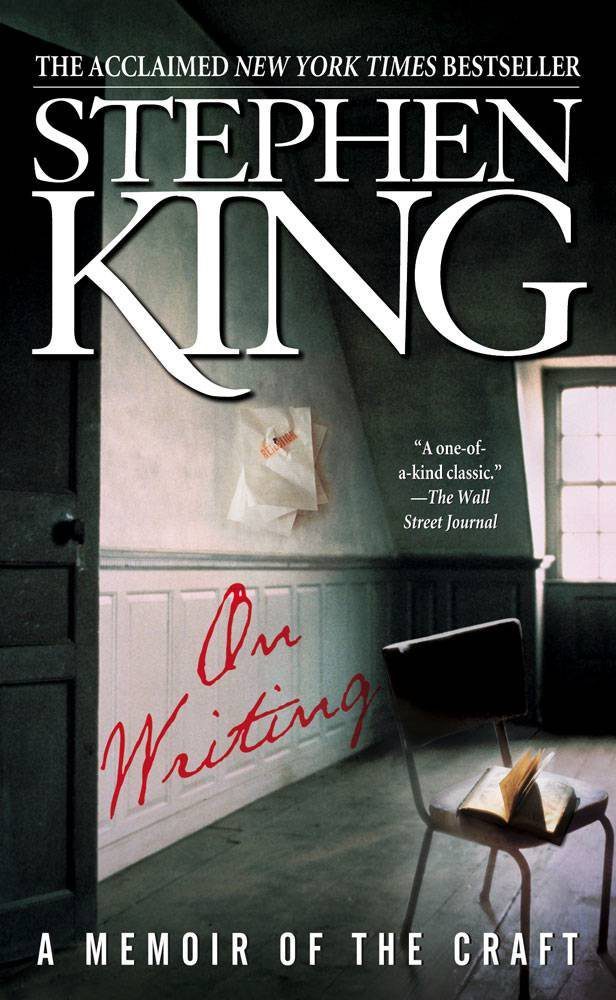
On Writing
A Memoir of the Craft
TL;DR: My personal take-aways
- language and story style is something you have to practise to learn; so practising (aka writing a lot) is key
- create a routine to ensure you’re doing that practise
- fluff kills readability; draft with everything that’s on your mind, but then revise by removing the fluff and aligning the key story points in your arc; that refinement is also where most of the more detailed research and fact-checking can happen
Summary
Read a lot, write a lot
King’s core advice is to read widely to absorb rhythm, voice, and craft, and to write consistently to build skill. Reading is the apprenticeship; writing is the daily practice that turns taste into ability.
Build a toolbox (vocabulary, grammar, style)
Treat vocabulary, grammar, and style as tools you can reach for without overthinking. Clean mechanics keep the reader immersed and let the story do the work.
Favor active voice and strong verbs
Active voice keeps sentences direct and energetic. Strong verbs do more work than padded constructions and keep prose punchy.
Cut adverbs and weak qualifiers
Adverbs often signal a weak verb or unclear context, especially in dialogue tags. Replace them with precise verbs or sharper details.
Keep description concrete and selective
Start with a clear mental picture, then choose a few vivid details that let readers complete the image. Over-description slows pacing and crowds out imagination.
Let characters drive the story
Put characters into a situation and let their choices move the plot. Story emerges from what people want and what they do, not from rigid plotting.
Write the first draft with the door closed
Draft quickly and privately to discover the story without outside noise. Don’t polish while drafting; get the whole thing down first.
…and revise with the door open
Once the draft exists, bring in feedback and revise for clarity and impact. Revision is where you shape the story for the reader.
Kill your darlings
Cut passages you love if they don’t serve the story. Sentimentality and self-indulgence are the enemy of pace and clarity.
Set a routine and protect it
Guard a regular writing time and space, minimize distractions, and set a realistic daily quota. Consistency beats inspiration.
Write for one ideal reader
Imagine telling the story to one trusted reader to keep your voice focused. It helps avoid generalized, performative prose.
Research to serve the story
Use research to add authenticity, but don’t let it derail momentum. Story comes first; details are in support.