Design for Cognitive Bias
Summary
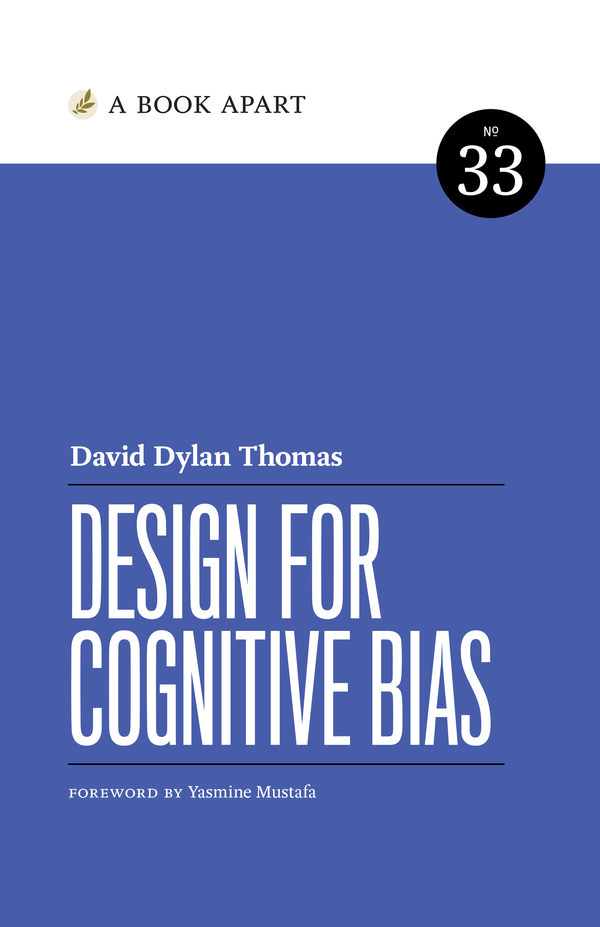
Design shapes decisions, and decisions are influenced by cognitive shortcuts. The book frames bias as a normal human feature that designers can either amplify or help counteract.
What Is Bias?
Biases are mental shortcuts that help us decide quickly under uncertainty. Understanding their patterns helps designers predict behavior and avoid unintended harm.
The different biases
- User bias: Users bring biases like anchoring, framing effects, and loss aversion to every interaction. Thoughtful design can reduce confusion, support better choices, and avoid dark patterns.
- Stakeholder bias: Leaders and stakeholders are also biased, and their decisions shape products. The chapter focuses on surfacing assumptions, reframing conversations, and grounding decisions in evidence.
- Our own bias: we are not neutral either, our experiences and incentives shape what we build. The book emphasizes reflection, diverse perspectives, and inclusive processes to counter blind spots.
All in all I think the book does a good job explaining and showcasing the fundamentals on bias, which I think especially for a topic like this is still super important. So don’t expect anything ground breaking here, I still highly recommend this book as a starting point.